
smart led bathroom mirror
Understanding the Significance of Brace Plate Right Angle Brackets in Structural Engineering In the realm of construction and engineering, the role of seemingly insignificant components often belies their immense importance in ensuring structural stability and integrity. Among these unsung heroes, the brace plate right angle bracket stands out as a vital element in reinforcing joints and connections. This article delves into the intricacies of this component, its applications, and the reasons behind its ubiquitous presence in various engineering projects. **Introduction to Brace Plate Right Angle Brackets** A brace plate right angle bracket, simply put, is a metal plate fabricated into a 90-degree angle shape, designed to provide additional support and reinforcement at joints where two structural members intersect, typically perpendicular to each other. Made from materials like steel or aluminum due to their strength and durability, these brackets are an essential part of a structural engineer's arsenal, enhancing the overall rigidity and load-bearing capacity of a structure. **Functionality and Design Considerations** The primary function of a brace plate right angle bracket is to distribute forces evenly across a joint, thereby reducing stress concentrations that could lead to failure. Its design is meticulously calculated to resist shear, tension, and compression forces, ensuring that the connected members remain steadfast under duress. Key design considerations include the thickness and width of the plate, material strength, and the type of connection it facilitates (e.g., bolted, welded). **Applications Across Diverse Industries** The versatility of brace plate right angle brackets makes them indispensable across numerous sectors 1. **Construction** In buildings, they reinforce connections between beams, columns, and braces, particularly in seismic zones where structures must withstand lateral forces from earthquakes. 2. **Bridge Engineering** Bridges rely heavily on these brackets to strengthen truss connections and support heavy loads while minimizing vibrations **Bridge Engineering** Bridges rely heavily on these brackets to strengthen truss connections and support heavy loads while minimizing vibrations **Bridge Engineering** Bridges rely heavily on these brackets to strengthen truss connections and support heavy loads while minimizing vibrations **Bridge Engineering** Bridges rely heavily on these brackets to strengthen truss connections and support heavy loads while minimizing vibrations brace plate right angle bracket . 3. **Renewable Energy** Wind turbine towers employ these brackets to the tower's lattice structure, ensuring it can withstand high winds and torque from the spinning blades. 4. **Industrial Infrastructure** Factories and warehouses use them in racking systems and mezzanine floors to enhance stability and safety under heavy loads. **Advantages Over Traditional Connection Methods** Compared to traditional joining methods like mortise and tenon or simple bolting, brace plate right angle brackets offer several advantages - **Ease of Installation** Their standardized shapes and sizes facilitate quick and precise installation, reducing construction time and labor costs. - **Adjustability** They allow for some degree of adjustability during assembly, crucial for achieving precise alignments in complex structures. - **Strength and Durability** The use of high-strength materials and precise engineering ensures long-lasting performance even in harsh environments. - **Enhanced Safety** By reinforcing joints, they significantly reduce the risk of structural collapse, enhancing overall safety. **Conclusion** The humble brace plate right angle bracket, though often overlooked, is a cornerstone of modern engineering. Its effectiveness in reinforcing structures, coupled with the ease of implementation and adaptability to various applications, underscores its significance in ensuring safety, longevity, and efficiency in construction projects worldwide. As technology advances and construction practices evolve, the design and application of these brackets will undoubtedly continue to refine, further solidifying their position as a fundamental component in the architectural lexicon. Understanding and appreciating their role is vital for engineers, architects, and constructors alike, as they strive to erect structures that stand the test of time.
about
smart led bathroom mirror
M10x1,0 závitová měrka klíčový nástroj pro přesnost Měření a testování závitů je zásadní pro mnoho průmyslových sektorů, a to jak v automobilovém, tak v strojírenském a stavebním odvětví. V rámci těchto aplikací je závitová měrka nepostradatelným nástrojem, který zajišťuje kvalitu a přesnost. Mezi nejběžnější typy závitových měrek patří M10x1,0, jež je široce používána pro metrické závity. Co je M10x1,0 závitová měrka? M10x1,0 závitová měrka označuje metricky definovaný závit s průměrem 10 mm a stupněm 1,0 mm, což odpovídá vzdálenosti mezi jednotlivými závity. Tato specifikace znamená, že mezi každým závitem je 1 mm, což je typické pro standardní aplikace. Závitová měrka M10x1,0 se používá k ověření správnosti vyrobených závitů, čímž se zaručuje jejich kompatibilita s odpovídajícími šrouby a maticemi. Význam závitových měrek Závitové měrky mají klíčový význam pro udržení kvality výrobků. Při výrobě strojních součástí, jako jsou šrouby a matice, je nezbytné zajistit, aby závity odpovídaly specifikacím. Jakékoli odchylky mohou vést k selhání výrobků a potenciálně nebezpečným situacím. Závitová měrka M10x1,0 poskytuje jednoduchý a efektivní způsob, jak ověřit kvalitu závitů během výrobního procesu, což minimalizuje riziko závad a zvyšuje spolehlivost konečného produktu. m10 thread gauge Jak používat závitovou měrku M10x1,0 Použití závitové měrky je velmi jednoduché. Při aplikaci je třeba zajistit, že měrka je správně zarovnána s měřeným závitem. Měření by mělo probíhat v klidné a stabilní poloze, aby se minimalizovalo riziko chyb. Po nasazení měrky na závit by mělo být zřejmé, zda se závit správně schoduje s měrkou. Pokud se měrka snadno nasazuje a odstraňuje, znamená to, že závit byl vyroben v souladu se specifikacemi. Naopak, pokud dojde k odporu nebo nevhodnému uchycení, je třeba závit pečlivě posoudit a podle potřeby upravit. Materiály a kvalita měrek Závitové měrky M10x1,0 se vyrábějí z kvalitních materiálů, jako je ocel nebo nerezová ocel, aby se zajistila jejich odolnost a dlouhá životnost. Kvalita měrky se přímo odráží ve schopnosti udržovat přesná měření, a proto je důležité vybírat měrky od osvědčených výrobců. Dobrý výrobce zaručuje, že jeho produkty splňují mezinárodní standardy a normy kvality. Závěr Závitová měrka M10x1,0 představuje nezbytný nástroj pro každého, kdo se zabývá výrobou, údržbou nebo opravou mechanických systémů. Její používání zajišťuje, že závity splňují potřebné specifikace, což přispívá k celkové kvalitě výrobků. Vzhledem k její jednoduchosti a efektivitě se závitová měrka stává nedílnou součástí procesu zajišťování jakosti. Investice do kvalitních závitových měrek se vyplácí v podobě spolehlivějších a bezpečnějších produktů, což je pro všechny podniky klíčové.
-

High quality industrial productsagement

High quality industrial products
View Details -

Meet the diverse needs of customers

Meet the diverse needs of customers
View Details -

Strict quality control

Strict quality control
View Details -

Top raw materials

Top raw materials
View Details -

Trusted supplier

Trusted supplier
View Details
Our application

news and information
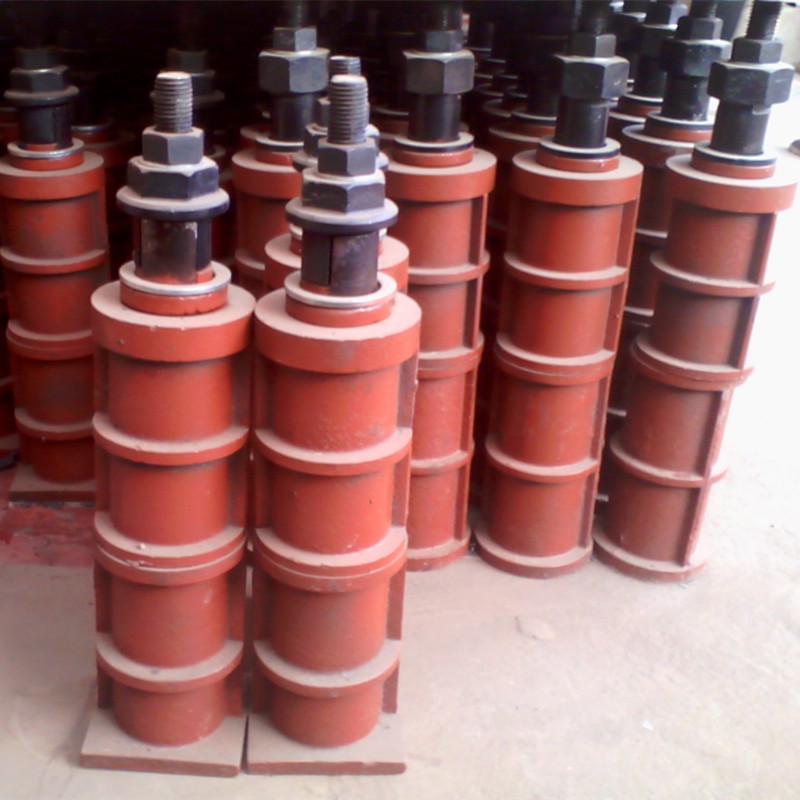
Válvula Globo de Alta Qualidade - Soluções Eficientes em Controle de Fluxo
Válvula de Globo de 2% Uma Solução Eficiente para Controle de Fluxo As válvulas de globo são compone
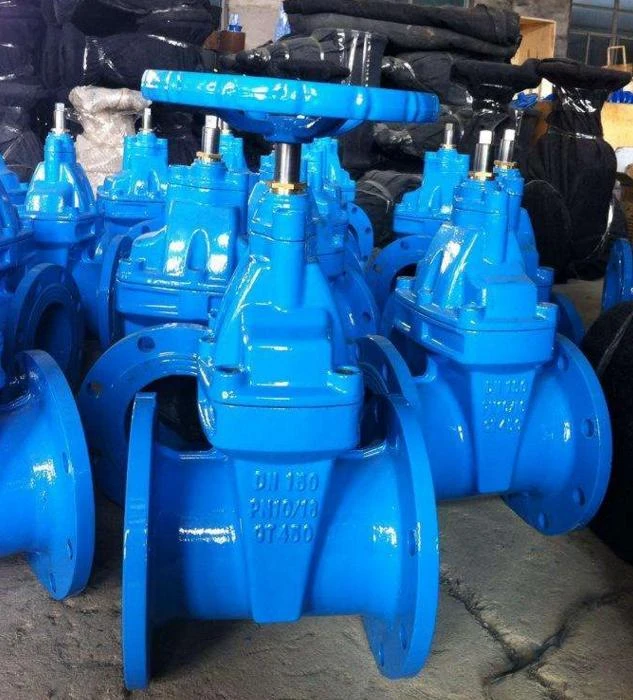
Varieties of Flow Control Valves and Their Applications in Fluid Management
Different Types of Flow Control Valves Flow control valves are essential components in various fluid
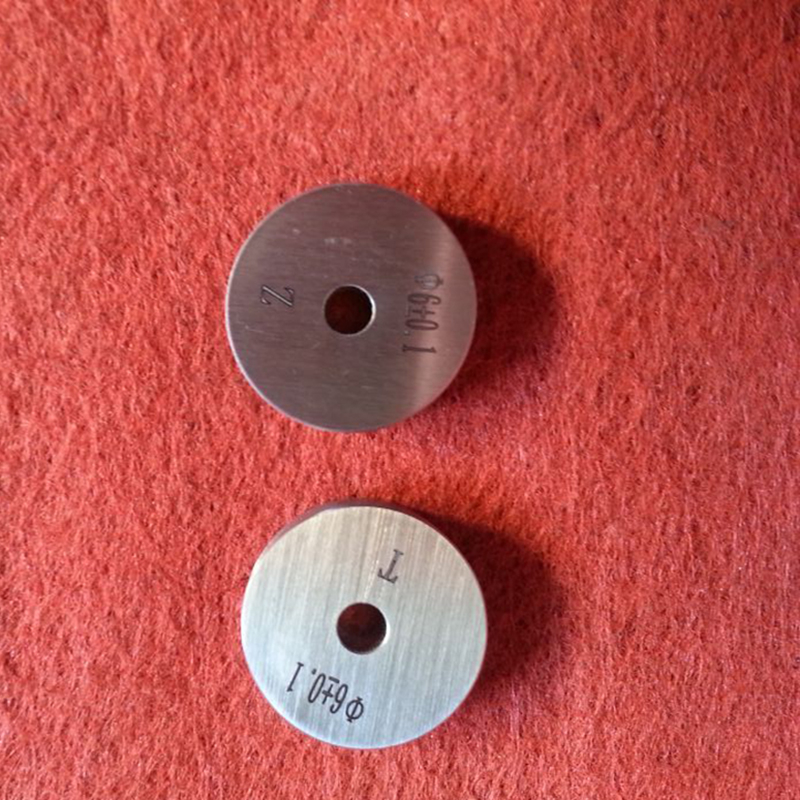
Valve Manufacturing Techniques for Enhanced Efficiency and Quality Control
valve factory .
 English